
Field notes · Professional game localization testing

Does the Game Still Make Sense in Every Language?

A menu that reads perfectly in English can overflow in German, address a king too casually in Japanese, or show a hand gesture that offends players in another market. These notes follow a real test pass, step by step, and show the errors each step stops before release.

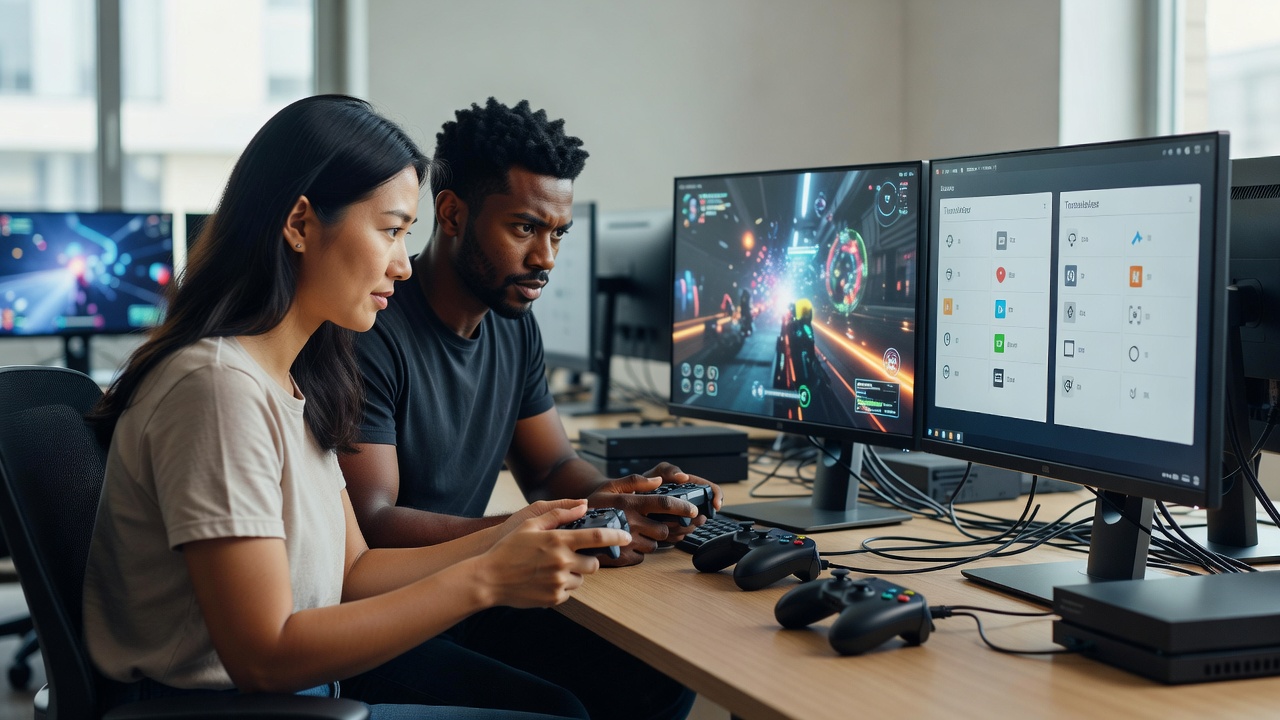
Two localization testers in a naturally lit office playing a console build with controllers while comparing translated menus on a second monitor
Core summary

What Testers Actually Check

Professional game localization testing is the structured process of playing a translated build and confirming that every line, image, sound and system still works and still means what the developers intended in each target language and market.

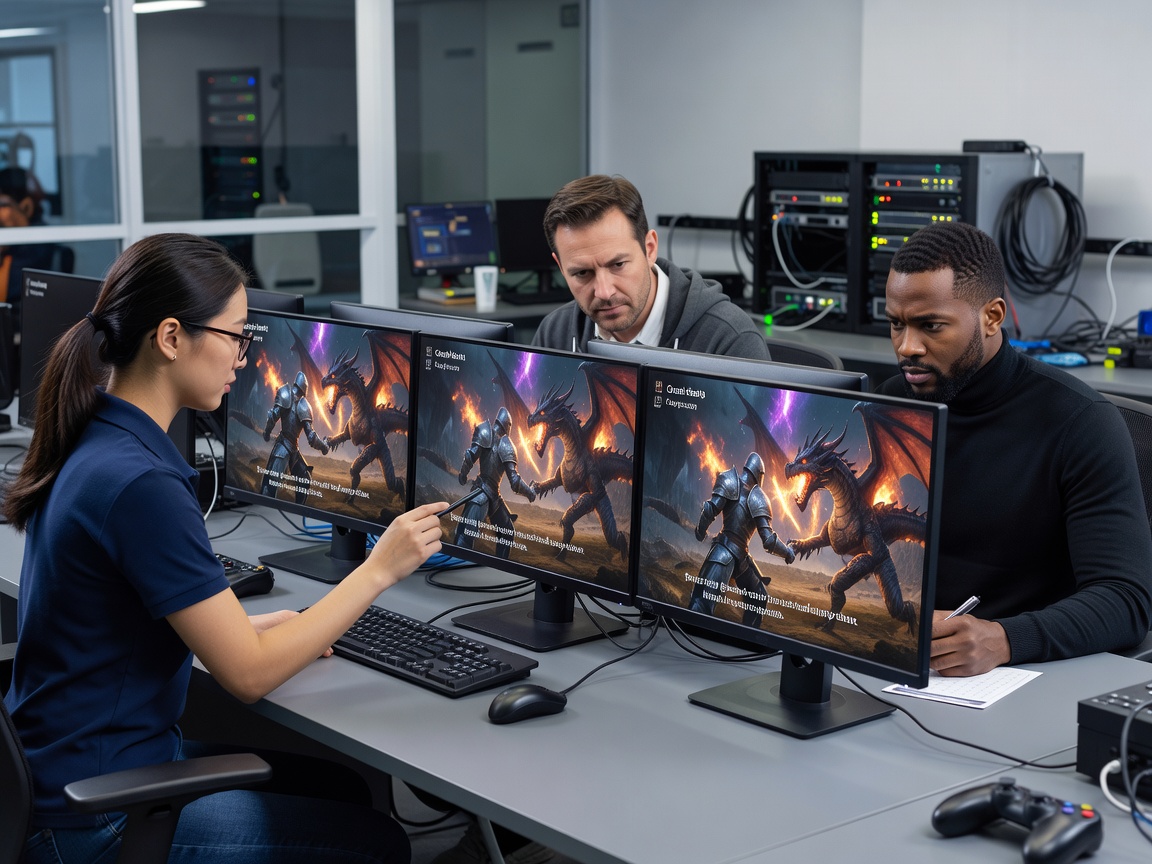
That sounds like proofreading. It is not. A translator often works from a spreadsheet of strings with no screen in view. The tester sees the same string inside a dialogue box, under a timer, next to a character portrait, after a cutscene in which the speaker has just lost a friend. Context reveals errors that no spreadsheet can show.

A complete pass usually covers four layers:

  • Language – accuracy, terminology, grammar, register, plural and gender agreement, consistency with the glossary.
  • Presentation – truncation, overlaps, missing glyphs, wrong fonts, subtitles out of sync with voice.
  • Function – placeholders that break, date and currency formats, keyboard layouts, sorting, right-to-left text.
  • Culture and compliance – symbols, gestures, maps, humour, age-rating sensitivities and platform terminology rules.
Examples band

When Meaning Slips

Four kinds of failure that reach players when testing is skipped or rushed, and the step that normally catches them.

Text overflow

The English button "Save" becomes "Speichern" in German and "Tallenna" in Finnish. In a fixed-width button, the last letters vanish or spill over the frame, and a shortened "Speich…" looks like a bug to every German player.

Caught by: pseudo-localization early, then the presentation check in the linguistic pass.

Idioms

A quest giver says "Break a leg!" before a fight. Translated literally, the line reads as a threat. Idioms rarely survive word-for-word, and the 1991 European release of Zero Wing, with its "All your base are belong to us", remains the field's most quoted warning.

Caught by: linguistic testers reading the line in its scene, with speaker and mood visible.

Gestures

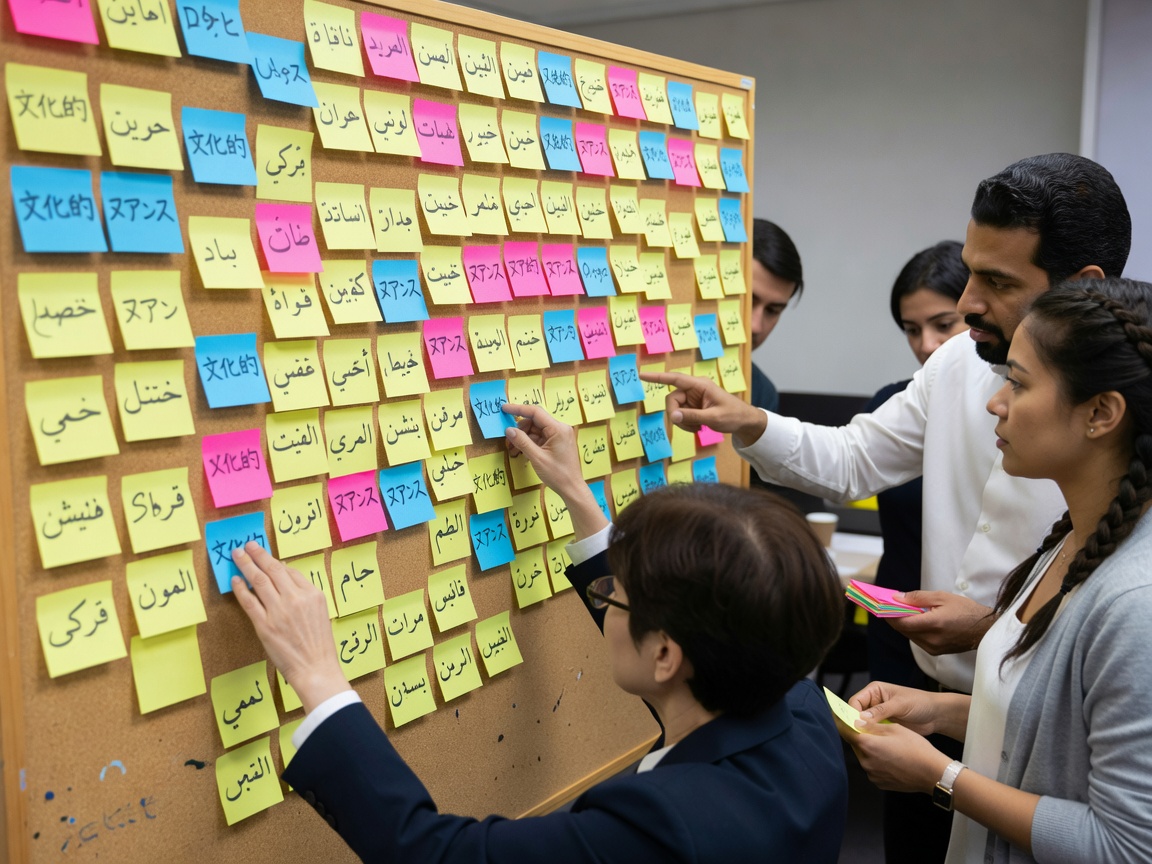
A celebratory emote uses a thumbs-up or an "OK" hand sign. In parts of West Africa, the Middle East and South America, those gestures can carry rude meanings, turning a reward animation into an insult.

Caught by: the cultural review, using market-specific checklists.

Symbols

A hospital room uses a red cross, a temple level reuses real religious iconography, and the fourth floor of a tower is labelled "4". Each may be fine in one market and a problem in another, through trademark protection, religious sensitivity or the association of four with death in Chinese, Japanese and Korean.

Caught by: cultural review plus rating-board and legal checks before submission.

Reference shelf

Standards Testers Lean On

Good testing is repeatable. These three references shape how many teams define and judge quality.

ISO 17100

The international standard for translation services. It sets requirements for translator qualifications and mandates a revision step by a second linguist, which many vendors use as the baseline before testing begins.

Unicode CLDR

The Common Locale Data Repository supplies plural rules, date, number and currency formats for hundreds of locales. Testers check games against it when "1 items" or a wrong decimal separator appears.

Platform certification rules

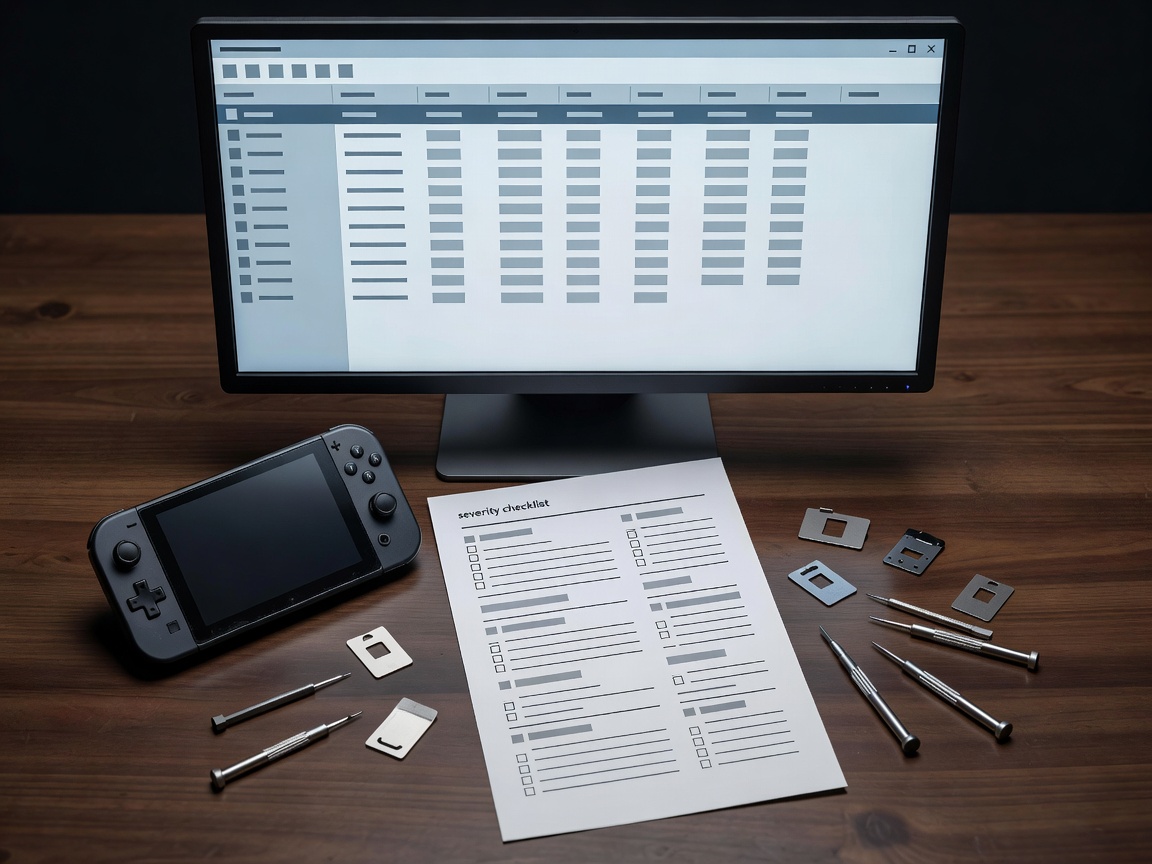
Console makers publish requirements for their platforms, such as Sony's TRC, Microsoft's Xbox Requirements and Nintendo's Lotcheck guidelines, including exact terminology for buttons and system features in each language.

See all tools and norms

FAQ teaser

Common Doubts

Is localization testing the same as translation review?

No. A translation review reads text in a file. Localization testing checks that text inside the running game, alongside layout, fonts, input, audio and cultural fit.

When should localization testing start?

Planning should start before the string freeze, with the first localized smoke tests as soon as a build contains translated text.

Do testers need to be native speakers?

For linguistic passes, yes: testers should be native or near-native in the target language and familiar with gaming conventions in that market.

All doubts, answered

Contact

Reach the Review Desk

Spotted an error in these notes, or want to suggest a failure case we should document? Our reviewers read every message and reply from Helsinki within a few working days.